Should I get an RV inspection? An honest answer
By Bree Calloway · November 1, 2026
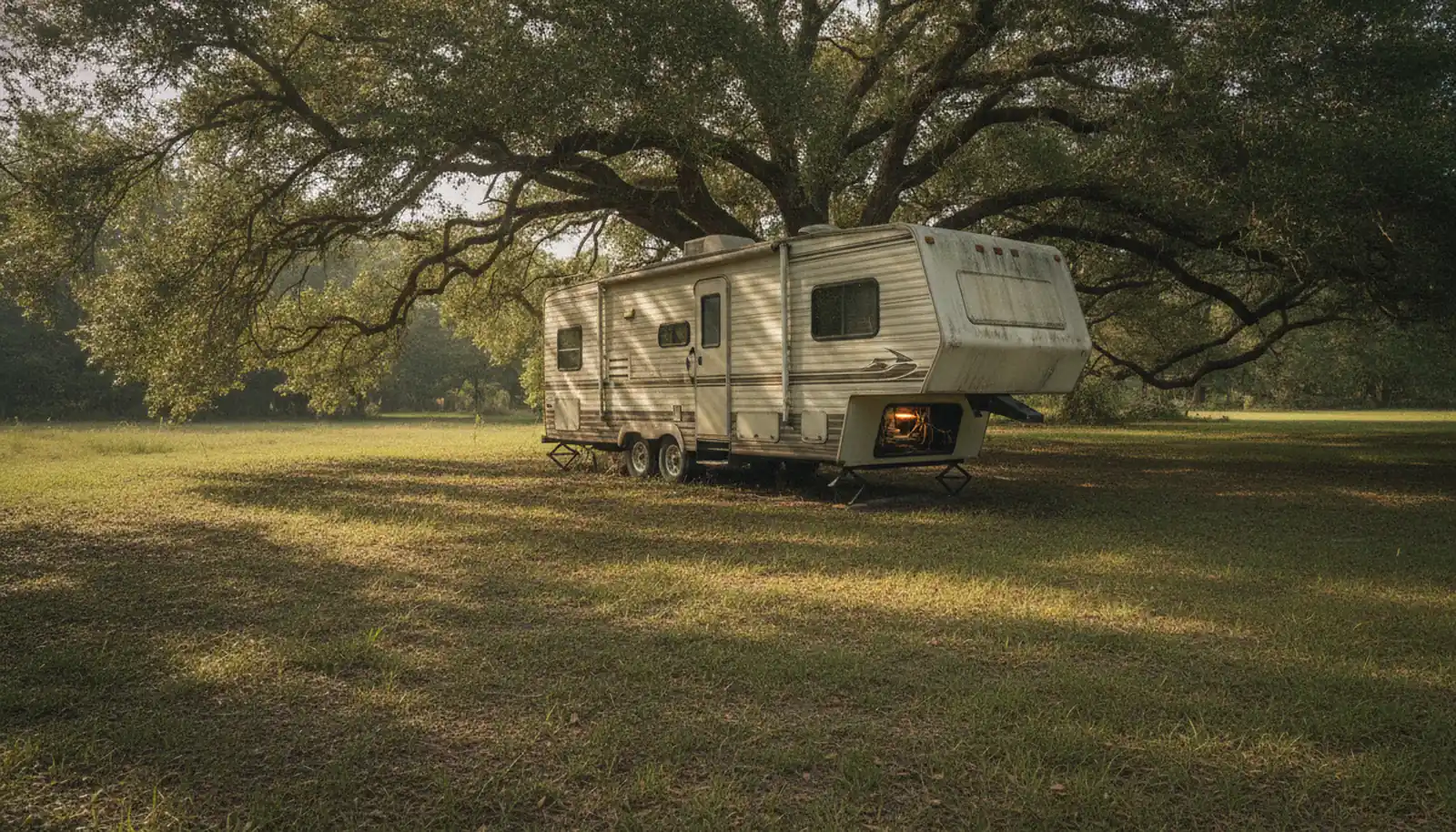
I still remember the wet carpet in my first fifth wheel, and why I now always ask: should I get an RV inspection? It was a Tuesday in February, the kind of morning that makes you forget Florida even has a winter. (I still check RV inspection in Orlando every few months.) I was on my hands and knees in the bedroom chasing a musty smell that had been bugging me for a week. The carpet under the front window squished.
Three months earlier I’d handed a very nice couple in Sarasota a check for that rig and towed it home without ever calling an inspector. That one morning cost me $4,200 in hidden water damage, plus a lesson I kept paying for long after. I’m the friend now who says it to everybody on the fence: before you fall in love with a coach, take an hour and compare pre-purchase RV inspectors nationwide so you know what a real report looks like. When my sister bought a travel trailer last spring I started local and checked RV inspection in Orlando pricing, and the spread suprised me. I also looked up RV inspection in Bushnell for a friend up that way. (I still check RV inspection in Orlando evry few months, just to see how the market moves.)
Why I skipped the inspection on my first fifth wheel
I skipped it because I thought I was being thorough. The seller was kind. The price felt right. The rig looked clean from ten feet away. I crawled underneath it, I walked the roof, I even brought a little moisture meter from Home Depot and poked it at the walls.
A certified inspector would have scanned those same walls with a pinless meter, compared the readings against a known-dry baseline, and likely found the leak that had been seeping in behind the front cap for months. That’s exactly the kind of thing the folks who do RV inspection in West Palm Beach catch on the regular.
Back then a fifth wheel inspection would have run me maybe $450 to $700, based on the ranges I quote now. I wouldn’t pay the $600. So I paid $4,200 instead, and lost two summers of camping while the rig sat in my driveway growing mold in places I couldn’t see.
If your shopping in central Florida, pull quotes from a couple of motorhome inspection in Clearwater services and some certified RV inspectors in Port St Lucie. The range in pricing and what’s included will open you’re eyes. Which brings me to the times I don’t leave it up for debate.
When I tell buyers to book the inspector, no debate
There are four situations where I push hard, no exceptions.
- The rig is over ten years old. Seals dry out, roof membrane cracks and the DOT date on the tires matters way more than how much tread is left.
- It’s a motorhome. A Class A or Class C has an engine, transmission, brakes, and chassis wiring stacked on top of all the house systems. Twice the stuff to go wrong.
- The seller don’t live nearby.
- The seller hesitates when you bring up an inspection. That’s all the information you need right there.
Here’s the short version I give friends:
| Situation | My answer | Why |
|---|---|---|
| Private sale, older towable | Get the inspection | Hidden water damage is the most common killer |
| Dealer lot, used motorhome | Get the inspection plus fluid samples | The chassis is half the value and often neglected |
| New unit under warranty | Do a detailed PDI-style walk-through, maybe $200 to $500 | Catch warranty items before you drive off |
| Very cheap project camper | Save your money, bring a knowledgeable friend | You’re buying the frame, not the floor |
The full list of what a good inspector goes through is in our post on RV inspection checklist: the 15 systems a good inspector goes through. It’s the same list I keep on my phone when I walk a friend through a used rig. And every one of those fifteen systems has a dollar figure attached, which is where the cost question always lands.
What an inspection actually costs, by rig type
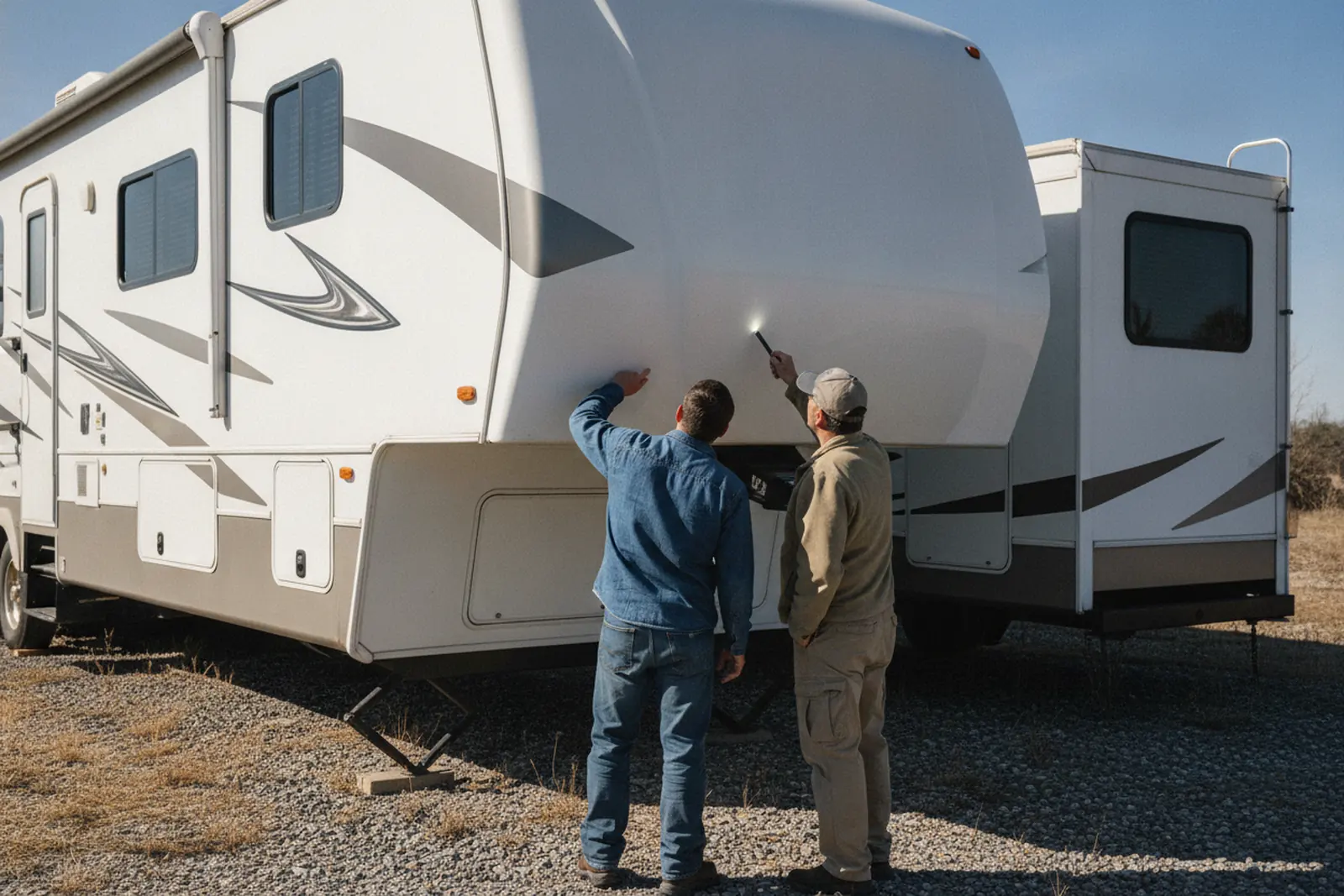
The honest answer is that it’s always less than one major repair. Inspectors set their own rates based on the rig’s length, age, and how deep you want them to go. A basic visual and functional inspection on a small travel trailer might run $350 to $450. A fifth wheel runs maybe $450 to $700. A gas Class C like mine falls somewhere around $450 to $900.
If you’re near Tampa Bay, compare quotes from RV inspection in Bushnell and RV inspection in West Palm Beach plus a couple of local independents. Our post How much does an RV inspection cost? What decides the price, by rig type has the full breakdown. The numbers get a little softer when you’re buying brand new, which is a question I get all the time.
If you want to see what a professional looks for, this video walks you through the basics.
Should I get an RV inspection on a new unit?
Yes, but a shorter one. And make sure it’s somebody independent, becuase a dealer’s own PDI (pre-delivery inspection) is done by the selling dealer’s own technicians. They work for the dealer, not you.
A new-unit inspection can run $200 to $500 and usually covers the same systems with more attention to fit and finish, sealant, and wether the appliances actually fire up. On a $60,000 fifth wheel, yes. On a $12,000 teardrop? Eh, maybe not.
Ask the dealer up front if they allow outside inspectors and what kind of access they’ll provide. Some will say no. That’s your cue to have it inspected anyway at a nearby shop, or right after delivery while you’re still inside the warranty window. I did the used version of that on the rig I own now, and the report paid for itself before I even drove it home.
What the inspector found on my 2020 Class C last spring
The short version: $1,800 off the asking price, plus a $40 capacitor fix I did myself. I bought my current motorhome used, from a private seller in Ocala, and this time I booked the inspection before I even made an offer. That rig is a 2020 30-foot gas Class C. The inspector showed up with a bag of meters and a thermal camera and spent about six hours going thru everything. When he was done, he sat me down at the seller’s picnic table in the sun and walked me through the list.
That report cost $850. It saved me three times that in the first month. The inspector also flagged the tires as manufactured in 2017. The tread looked okay, but the DOT date code told a different story, so I budgeted for replacements and did them in my second year of ownership, following the common guidance to replace tires around seven years old.
Some buyers worry the inspector is going to kill the deal over small stuff. Every report has small stuff. Mine had a sticky cabinet latch and a loose drawer slide. The point is to know what you’re buying and price it accordingly. The trickier part is getting the inspection scheduled before somebody else buys the rig out from under you.
How to book the inspection without losing the rig you want
Start by agreeing on the price first, then make the sale subject to inspection in writing. Good used RVs move fast. A well-priced fifth wheel can pick up three offers in a single weekend. So don’t inspect before you agree on a price. Put down a small refundable deposit to hold the rig while the inspector does his thing. Spell out what counts as a deal-breaker ahead of time: active water leak, propane leak, hot-skin voltage, frame cracks, tires past the age guidance for that rig, or repair estimates over some dollar amount you pick.
Then schedule the inspection as soon as you can. Weekdays are often easier for both the seller and the inspector. Ask the seller to have the rig on shore power, propane and water connected, and de-winterized if it’s been cold. That’s the only way every system actually gets tested.
If the seller refuses an independent inspection under those terms, that’s a red flag. Don’t argue with them. There’s another rig down the road, and you haven’t lost anything yet. Which is the whole point of everything I just told you.
What I’d do differently, and what you can do this week
I’d pay the $600 and let him find the soggy wall on his clock. If I could go back to that February morning, I’d hand the keys to an inspector before I ever signed the title. Maybe I’d still buy the rig, just for $4,000 less. Or maybe I’d walk away and keep my weekends free instead of fighting mold for two years.
Here’s my bias, and I’m willing to be wrong: any rig over ten years old gets an inspection. Any motorhome you can’t fix yourself gets an inspection. Any private sale you can’t walk away from with a clear conscience gets an inspection. No exceptions.
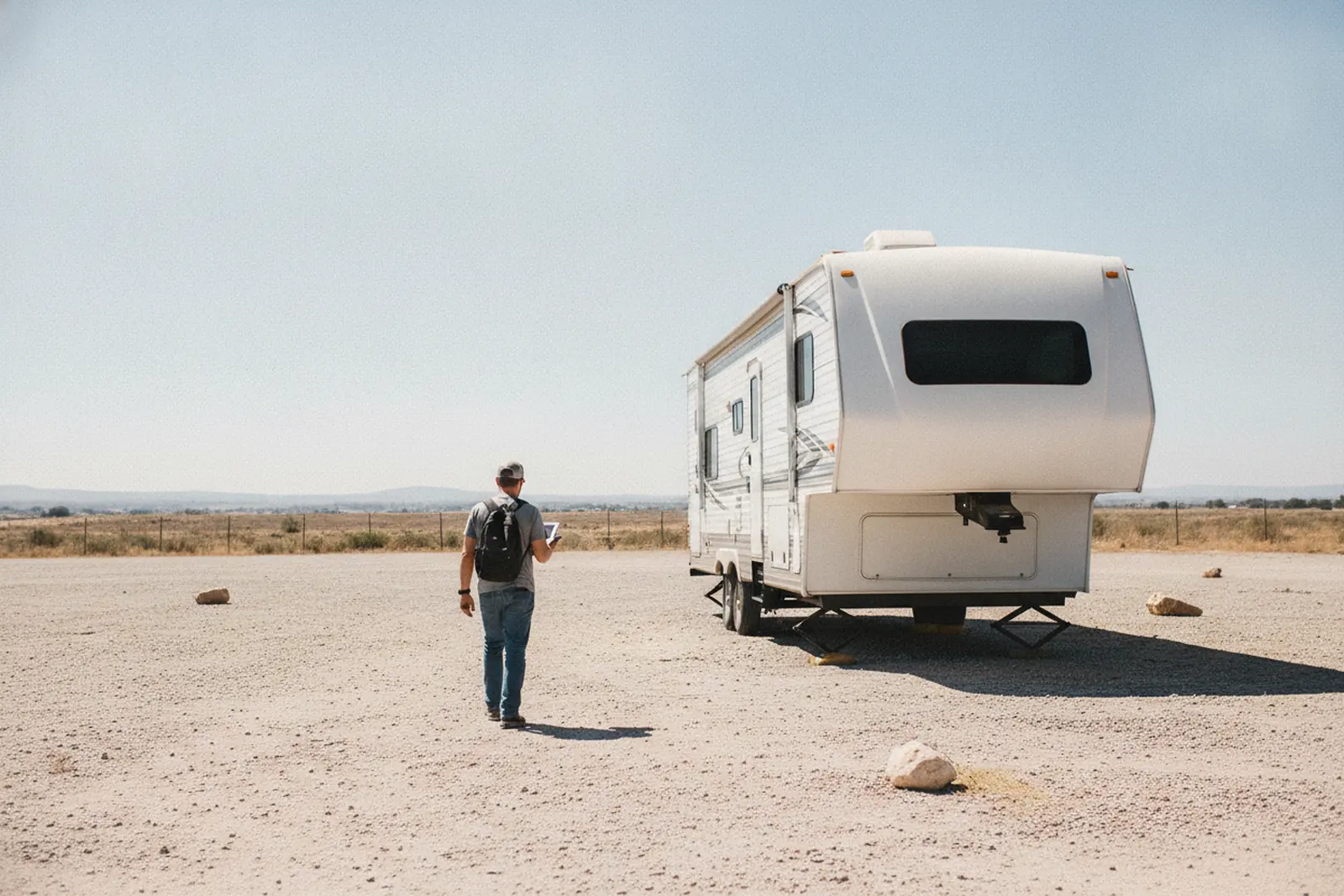
This week, if you’ve got a specific rig picked out, look up certified or mobile RV inspectors near it and call two of them. Ask what their report includes, what it costs for that exact model and year, and how soon they can get out there. Then book the one who answers in plain English. That phone call costs nothing. It might save you a Tuesday you’ll never forget.
Keep reading
FAQ
Should I get an RV inspection if I'm buying from a dealer?
Yes, especially if the RV is used or the dealer is not offering a comprehensive warranty. A dealer's own pre-delivery inspection is done by their technicians, not an independent party. An independent inspector works for you and can find issues the dealer missed or hopes you won't notice. For a new unit, a shorter PDI-style inspection of about $200 to $500 can catch warranty items before you drive off.
What does an RV inspector look for that I can't see myself?
Inspectors use tools like pinless moisture meters to compare wall readings against a known-dry baseline, manometers to check propane system pressure and leaks, and thermal cameras to find heat signature anomalies. They also know where to look for delamination, soft floors, roof membrane issues, and chassis problems on motorhomes. An amateur walk-around offen misses these.
How much does a standard RV inspection cost in Florida?
Prices vary by inspector, rig type, length, and add-ons. For a travel trailer under 25 feet, expect about $350 to $450. A 25 to 35 foot trailer might run $400 to $550. Fifth wheels run $450 to $700. A gas Class C is about $450 to $900, and a Class A gas can go from $500 to over $1,100. Travel fees may apply beyond a 25 to 50 mile radius.
Can I negotiate the price after an RV inspection?
Yes. Use the inspection report to back up your requests. Common negotiation points include a non-working appliance, a propane leak, tires that are past the age guidance for that rig, or a hot-skin electrical issue. You can ask the seller to fix the items, reduce the price, or split the difference. A written estimate from a repair shop strengthens your position.
What if the seller refuses to let me bring an inspector?
Treat that as a red flag. The NRVIA has suggested that a seller who refuses an inspection is a warning sign. A genuine seller with nothing to hide will usually agree, especially if you offer to pay for the inspection and schedule it at a convenient time. If the seller refuses, walk away from the deal.
How long does an RV inspection take and when do I get the report?
On-site time varies with rig size and inspection depth. A small travel trailer may take 2 to 4 hours. A mid-size motorhome can take 6 to 8 hours, and a large diesel pusher 8 to 10 hours or more. The written report usually arrives within 24 to 48 hours, often with photos and a prioritized list of findings.
Find RV inspectors near you
Compare independent RV inspectors in your city, then ask a few for a price before you buy.
Browse by stateOr jump to: Bakersfield, CA · Weatherford, TX · Orange, CA